
DOWNSIZING
Downsizing with Less Stress, One Small Decision at a Time
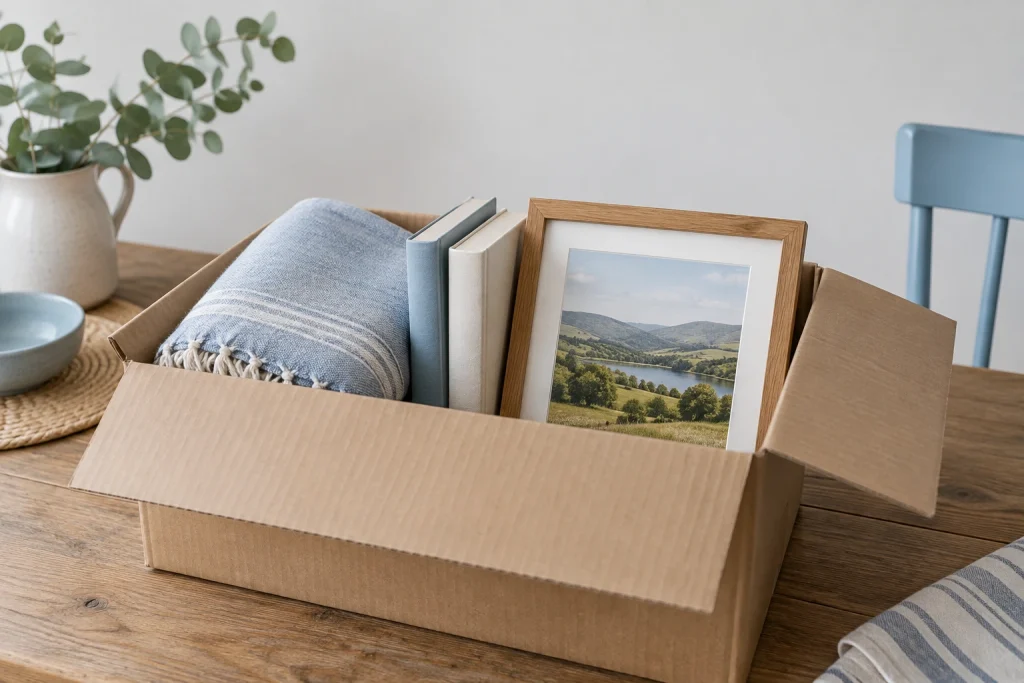
A home holds the evidence of a life: the dishes brought out for celebrations, a chair worn comfortable over the years, a drawer full of photographs. When you begin to sort through those things, memories can arrive just as quickly as decisions. Whether you are preparing for a move or simply making your current home easier to enjoy, you are allowed to take this slowly.
Begin with what you want to make room for
It can help to think about how you would like your home to feel. Perhaps you want less to maintain, easier access to everyday belongings or more space to enjoy the things you love. If a move is on the horizon, you may be picturing a favourite corner in a new room. If you are staying put, a little breathing room in the home you already know may be enough.
You do not need to decide the future of every possession at once. Let your reason for beginning be something kind and practical, rather than an expectation that the whole house must change immediately.
Choose one small place to start
A drawer, a shelf or a cupboard can be a gentler beginning than a room filled with family memories. Give yourself a manageable amount of time and stop while you still have some energy. It is fine if one small area is all you do that day. Progress can be quiet and gradual.
Keep the decisions simple: things you use or treasure, things you may be ready to pass along, and things you would like to consider another day. Important papers, valuables and daily essentials can have their own clearly marked place so they do not get caught up in the sorting.
Give the memories a little room
An object may matter for reasons that nobody else can see. You do not have to explain away that attachment or make a quick decision because someone else thinks an item should go. Pause with the story. Sometimes sharing it with a loved one helps you understand what you want to keep close.
A photograph or a written memory may feel like a lovely way to remember some belongings, while other pieces are things you genuinely want around you. There is room for both. Keeping a few treasured items where you can see and enjoy them may feel more satisfying than leaving them tucked away in boxes.
Invite family into the conversation
If you would like to pass something on, ask whether a family member would enjoy having it. Let the conversation be an invitation, with space for an honest answer. Someone may value the story even if they do not have room for the furniture, and that does not make the memory less meaningful.
If you are helping an older loved one, follow their lead. Ask before opening cupboards, sorting papers or setting anything aside. Listening to a story, carrying a box or helping measure a room can be more useful than trying to speed up the decisions. The person whose belongings these are should have a voice in what happens to them.
Let practical help lighten the work
When a move is planned, knowing the size and layout of the new space can make larger decisions easier. Think about the pieces you use most and the familiar comforts you would like ready on the first day. A trusted helper can take on some of the lifting, packing or arrangements while you concentrate on your choices.
When you are staying at home, you can use the same gentle approach to simplify a cupboard, clear an everyday surface or make frequently used belongings easier to reach. A smaller collection of things to manage can be a worthwhile change all on its own.
Leave room to pause
Some days will feel straightforward. Others may bring sadness, uncertainty or a surprising amount of tiredness. Take a break, revisit a decision later or ask someone to sit with you while you sort. A home gathered over many years deserves a thoughtful pace.
The aim is a space that supports the life you are living now, with the memories and comforts you most want beside you. One drawer, one conversation or one carefully chosen keepsake can be a meaningful beginning.